Think It’s Hard to Import Food to Singapore? Myths vs. Facts Explained
Updated: Feb 24
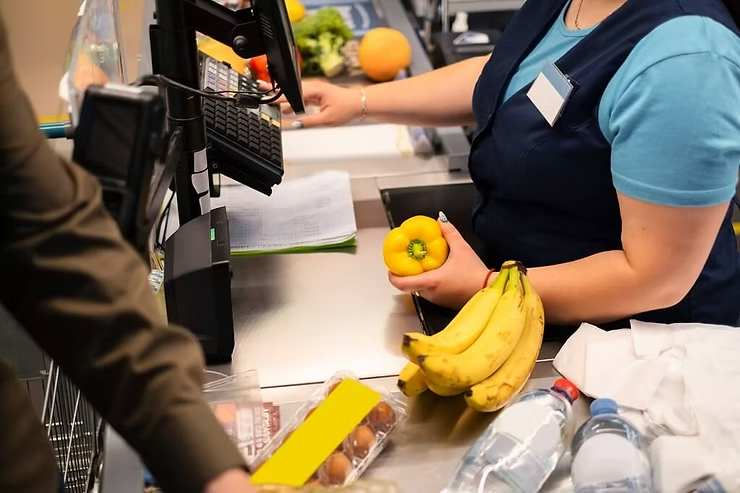
You are not the only person who finds it hard to import food into Singapore. There have been many who think that the process is laden with confusing rules and restrictions. The reality is that importing food products is not as convoluted as it seems when you know the basics. Bringing in processed food, fresh produce or anything else, such as fish or meat products, is subject to specific guidelines. Here we will discuss and dispel the most widespread myths, unveiling the truth about the rules of importing food into Singapore.
Myth 1: Importing Food Products into Singapore Is Complicated
Fact:The process may sound overwhelming at first, but it’s actually straightforward. You start by applying for an import permit through TradeNet and getting your cargo clearance permit from Singapore Customs. If you want to import processed food, you’ll also need registration with the Singapore Food Agency (SFA) to import processed food. All food products shipped as consignments must comply with food safety regulations and labelling. There are fees and paperwork, but it is straightforward, and you will find it easier once you are familiar with the process.
Myth 2: Only Certain Foods Can Be Imported into Singapore
Fact:There are numerous types of food that you can import to Singapore, provided they meet food import regulations. This covers fresh fruits and vegetables, meat, fish, eggs, and even cooked rice products. Certain food products, including shellfish or high-risk products, may have more restrictive terms, but they will still be permitted to enter Singapore as long as conditions are met. Goods you would like to import must be within the jurisdiction of the exporting country. The trick is to understand the regulations for every product type.
Myth 3: Food Safety Rules Are Too Strict to Manage
Fact:Singapore takes food safety seriously, but the regulations are not unachievable. The Singapore Food Agency maintains food safety by enacting food import requirements, labelling requirements of food and the Sale of Food Act. These systems secure food in Singapore and require that all imported food be according to international standards. You should meet pre-import requirements and labelling guidelines, which are required to make sure that you import food products with the highest degree of control. Rather than thinking of them as being strict, think of them as forms of control that provide food safety to everyone.
Myth 4: Processed Food and Food Appliances Are Harder to Import
Fact:It’s a common belief that processed food products and appliances face more rigid import rules. In reality, the steps are quite simple. You must apply for registration to import processed food and meet labelling requirements before these products are allowed into Singapore. Import processed food and food appliances by checking if they fall under specific food products or perishable cooked food. Pre-packed food, processed products, and food appliances each have precise import requirements. Once you understand these rules, the process is easy to manage.
Myth 5: Importing Meat, Fish, and Egg Products Is Nearly Impossible
Fact:Importing meat and meat products, fish and fish products, and egg products into Singapore comes with stricter checks, but it’s definitely possible. These products may only be imported if they meet SFA’s requirements, including being approved by the authority of the exporting country. Meat products must also carry an establishment code for the country of origin. Products imported must comply with food safety regulations and specific requirements acceptable to SFA. While these are high-risk products, you can import them once you meet the necessary import requirements.
How CMM Food Consultancy Helps Simplify Food Imports

Food importation into Singapore involves preparation, knowledge, and food safety regulation. You must learn about the requirements of the Singapore Food Agency in importing foods, labelling foodstuffs, and filing an import permit using TradeNet. At CMM Food Consultancy, we know how complex these steps can feel. With our background working in government, we understand SFA’s import process, timeline, and compliance checks. We guide you through every step so you can import food products smoothly and with confidence, ensuring all products meet Singapore’s requirements.
Conclusion
Importing food into Singapore may look challenging at first glance, but the facts show it’s manageable with the proper knowledge. From processed food and food appliances to fresh fruits and vegetables, fish, meat, and egg products, every type of food product is possible to bring in as long as it meets SFA’s requirements.
All food imports must comply with food safety rules, but these rules exist to protect consumers. If you wish to import food products, the process becomes much easier once you know what’s required.
Contact us today so we can discuss how our team can help you import food while following Singapore regulations.


Comments